
The Best Smart Bulbs for Melatonin Production: Philips Hue vs. Nanoleaf
Introduction to Smart Lighting and Melatonin Production
Smart lighting represents a significant advancement in the way we manage our indoor environments. This innovative technology allows individuals to control the intensity, color, and timing of their home lighting through smart bulbs, enhancing both convenience and comfort. One of the lesser-known benefits of smart lighting lies in its ability to influence melatonin production, a hormone crucial for regulating sleep cycles.
Melatonin is produced in the body in response to darkness, signaling to our systems that it is time to wind down for sleep. Conversely, exposure to bright, blue light, typically emitted by traditional lighting systems and electronic devices, can inhibit melatonin production, leading to disrupted sleep patterns and potential health issues. Therefore, understanding the impact of light exposure on melatonin levels is fundamental to achieving optimal sleep health.
Smart bulbs, such as those offered by Philips Hue and Nanoleaf, allow for sophisticated light management to counteract disruptions in melatonin production. These devices can be programmed to mimic natural daylight patterns throughout the day, providing bright, energizing light in the morning and transitioning to warmer, dimmer light as evening approaches. Such adaptability not only casts a more pleasant ambiance but also supports the body’s natural circadian rhythms.
Furthermore, by utilizing smart lighting to regulate light exposure, individuals are better positioned to enhance their sleep quality, mood, and overall well-being. This introduction to smart lighting’s relationship with melatonin production underscores the importance of choosing appropriate lighting solutions in pursuit of healthier lifestyles. As we explore specific smart bulb options, it becomes clearer how technology not only illuminates our spaces but also fosters healthier sleep habits.
Understanding Melatonin and Its Role in Sleep
Melatonin is a hormone primarily produced by the pineal gland in the brain, playing an essential role in the regulation of sleep-wake cycles, also known as circadian rhythms. This hormone is synthesized from serotonin, a neurotransmitter, and its secretion is stimulated by darkness, peaking at night, which signals to the body that it is time to sleep. Conversely, light exposure, particularly blue light emitted by electronic devices and artificial lighting, can inhibit melatonin production, leading to difficulties in falling asleep and maintaining restful sleep throughout the night.
The importance of melatonin extends beyond merely inducing sleep; it also helps to regulate the body’s internal clock and can influence various physiological functions such as immune response, blood pressure regulation, and even mood stabilization. Proper melatonin levels are critical for overall health, and disruptions to its production can lead to sleep disorders, including insomnia and delayed sleep phase disorder.
In the age of artificial lighting, understanding the impact of this technology on melatonin levels is crucial. Numerous studies indicate that exposure to bright and especially blue light during the evening can significantly suppress melatonin production, subsequently affecting sleep quality. Consequently, discerning the difference between various lighting options can help individuals optimize their environments to promote better sleep. Smart bulbs, like those from Philips Hue and Nanoleaf, offer customizable lighting options that allow users to select warmer hues during the evening, which may help to support melatonin production and, in turn, enhance overall sleep quality. Selecting the right lighting is an often-overlooked aspect of creating conducive sleep environments.
Overview of Philips Hue Smart Bulbs
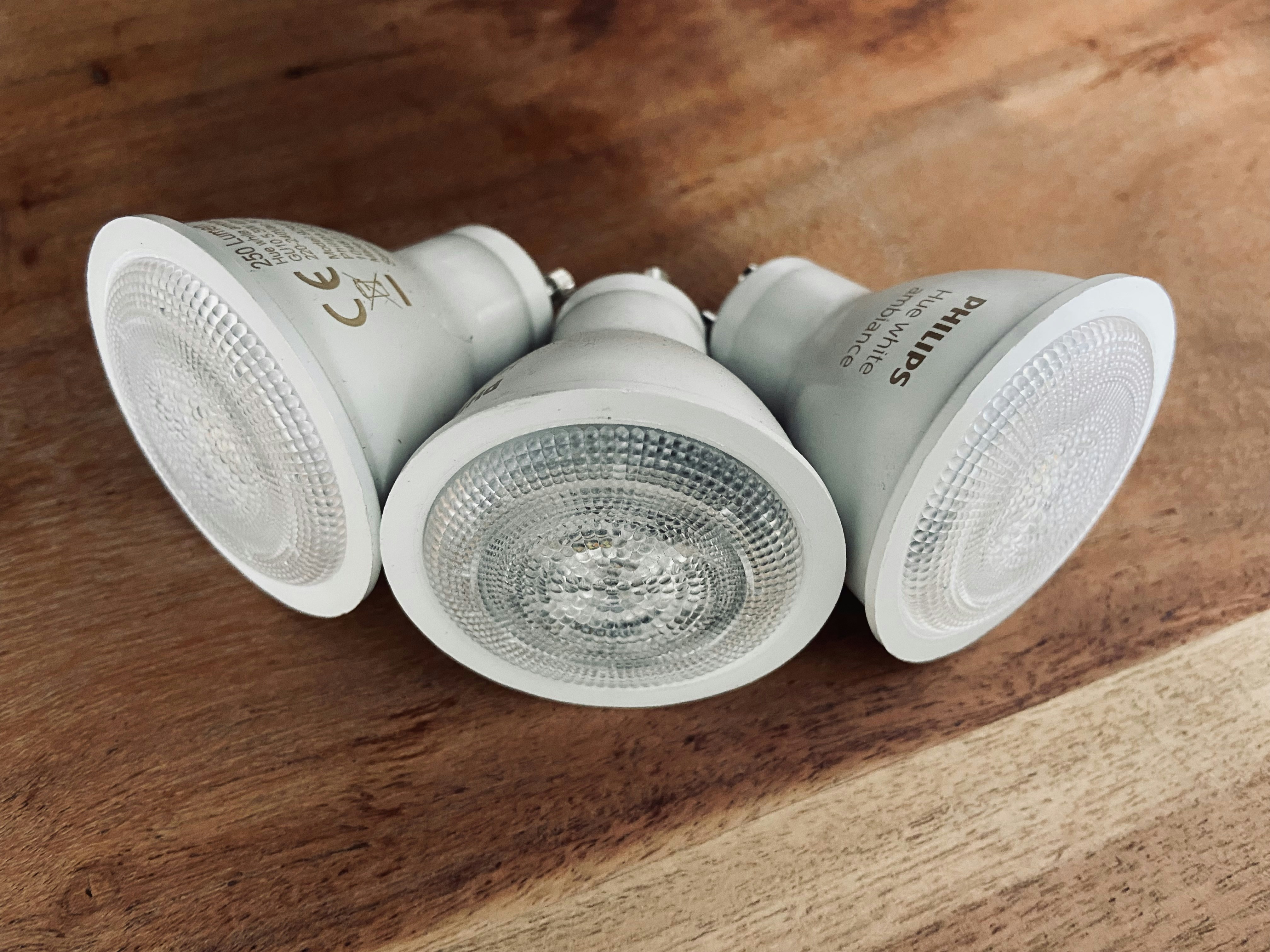
Philips Hue smart bulbs are renowned for their advanced features that cater to both convenience and aesthetic preferences. They come equipped with energy-efficient LED technology, which not only provides significant savings on electricity bills but also offers a longer lifespan when compared to traditional bulbs. This makes them a popular choice for those looking to merge practicality with innovation in their home lighting solutions.
One of the notable aspects of Philips Hue bulbs is their extensive compatibility with various smart home systems such as Google Assistant, Amazon Alexa, and Apple HomeKit. This integration allows users to control their lighting through voice commands, offering a hands-free experience that enhances convenience in daily routines. Additionally, the bulbs can be controlled remotely via the Philips Hue app, which is available for both iOS and Android devices.
In terms of color options, Philips Hue smart bulbs stand out by providing a wide spectrum of light hues, from warm whites to vibrant colors. This versatility allows users to personalize their indoor atmosphere to suit different occasions and moods. The capability to adjust brightness and color temperature also aids in melatonin production, which is crucial for regulating sleep cycles, thus aligning with health-conscious living.
Another key feature of Philips Hue bulbs is their scheduling capabilities. Users can set specific times for the lights to turn on or off, creating a routine that can mimic natural daylight. This function is particularly beneficial for those seeking to enhance their melatonin production, as it helps to create a consistent environment that signals the body when it is time to wind down for sleep.
Overview of Nanoleaf Smart Bulbs
Nanoleaf smart bulbs represent a significant advancement in smart lighting technology, renowned for their distinctive designs and innovative features. Unlike conventional bulbs, Nanoleaf provides a diverse range of shapes and styles, allowing users to create personalized lighting arrangements that can serve both functional and aesthetic purposes. This flexibility in design enables individuals to craft unique configurations that enhance their living spaces while accommodating various moods and activities.
One of the standout features of Nanoleaf smart bulbs is their customizable lighting effects. Users can select from a wide spectrum of colors, as well as adjust the brightness to suit their specific preferences. This adaptability is pursued through the use of a dedicated application, which allows for precise control over the lighting environment, including dynamic sequences and moods that can be tailored to individual needs. Such features not only add an artistic element to homes but also promote wellbeing, particularly in regard to melatonin production, as users can select tones that align with their daily routines.
Integration into existing smart home systems is another area where Nanoleaf excels. The bulbs are compatible with various platforms, such as Apple HomeKit, Amazon Alexa, and Google Assistant, enabling voice control functionalities. Moreover, they can be synchronized with other smart devices, enhancing the overall user experience. For instance, by connecting Nanoleaf bulbs with temperature sensors, the lighting can automatically adjust based on the time of day or user activity, promoting an environment conducive to relaxation or productivity.
In summary, Nanoleaf smart bulbs not only offer an array of customizable options but also seamlessly blend into smart home environments. Their innovative features and unique designs provide users with the means to craft a tailored lighting experience that supports healthy melatonin production and overall wellbeing.
Comparative Analysis: Philips Hue vs. Nanoleaf for Melatonin Production
The quality of light emitted by smart bulbs plays a significant role in influencing melatonin production, which in turn affects sleep quality. Two prominent contenders in the smart bulb market, Philips Hue and Nanoleaf, have set themselves apart with unique features and functionalities tailored for enhancing sleep hygiene.
When assessing their effectiveness for melatonin production, one critical factor to consider is color temperature. Philips Hue bulbs offer a wide range of adjustable color temperatures, from warm white (around 2000K) to cool white (up to 6500K). This range allows users to customize their light environment to mimic the natural progression of daylight. In contrast, Nanoleaf bulbs, while also providing adjustable colors, often focus more on aesthetic designs and can sometimes lack the granular control over color temperature that Philips Hue boasts. For melatonin production specifically, warmer hues are ideal during the evening as they minimize blue light exposure, which is known to inhibit melatonin secretion.
In addition to color temperature, brightness levels significantly impact sleep readiness. Philips Hue bulbs can be dimmed significantly, allowing users to set a lower brightness during evening hours. This capability helps gradually signal the body that it is time to wind down, promoting melatonin levels. Nanoleaf bulbs, while bright and vibrant, might not offer the same depth of dimming ability—often maintaining a more constant brightness that might not effectively create a conducive nighttime atmosphere.
Furthermore, both brands offer ‘night mode’ settings, which can minimize blue light exposure. Philips Hue’s night mode is particularly notable for its effectiveness; it automatically shifts the light spectrum to the warmer end of the spectrum, thus encouraging melatonin production in the lead-up to sleep. In summary, while both Philips Hue and Nanoleaf progress in the realm of smart lighting, Philips Hue appears to be slightly more advantageous for melatonin production due to its superior control over color temperature, brightness levels, and robust night mode features.
User Experiences and Reviews
Consumer experiences play a crucial role in determining the effectiveness of smart bulbs like Philips Hue and Nanoleaf, particularly their impact on melatonin production and sleep quality. Many users have reported positive experiences with Philips Hue, highlighting its customizable features as a standout benefit. Users appreciate the ability to adjust the color temperature and intensity of the light, allowing them to transition smoothly from bright, energizing light during the day to softer, warmer tones in the evening. This gradual shift reportedly aids in naturally promoting melatonin production, thereby improving sleep quality.
On the other hand, Nanoleaf users have praised the aesthetic and design flexibility of their lighting systems. The unique shapes and color combinations available with Nanoleaf products create a visually pleasing environment, which some consumers find calming and conducive to relaxation. Users have noted the rapid setup and intuitive app interface, making it a user-friendly choice. Additionally, many reviews indicate that Nanoleaf’s dynamic lighting options significantly enhance the ambiance of living spaces.
In terms of ease of use, Philips Hue also receives accolades for its compatibility with various smart home systems, allowing for seamless integration into existing setups. Users frequently mention that they enjoy the ability to control the bulbs via voice commands or mobile applications, further enhancing convenience. In contrast, those using Nanoleaf products report occasional connectivity issues with their smart home ecosystems. However, the consistent updates and support provided by Nanoleaf have been recognized as mitigating factors.
Overall, both Philips Hue and Nanoleaf have garnered a mix of feedback centered on effectiveness in promoting better sleep, ease of use, and user satisfaction. Users of both brands recognize the importance of adjustable lighting in improving their sleep environment, underlining the significant role smart bulbs can play in enhancing overall well-being.
Pricing and Value Comparison
When considering smart bulbs like Philips Hue and Nanoleaf, pricing is a key factor for many consumers. Both brands offer a variety of models, each with distinct features that cater to different user needs. Starting with the Philips Hue line, the pricing typically ranges from $15 for basic models to upwards of $50 for advanced options with more functionalities, such as color changes and app connectivity. Similarly, Nanoleaf’s products are priced in the range of $20 to $60, depending on the complexity of the smart lighting system.
In assessing value, it is crucial to examine not only the initial cost but also the features provided by each bulb. Philips Hue bulbs are renowned for their extensive compatibility with various smart home systems, including Amazon Alexa and Google Assistant. They also offer a customizable lighting system that can positively influence melatonin production through adaptive color functionalities. Therefore, for users specifically looking to enhance ambient lighting to support sleep health, investing in Philips Hue might be worth the premium.
On the other hand, Nanoleaf focuses on customizable designs and aesthetics, providing a unique lighting experience ideal for creative settings. Their bulbs often feature innovative shapes and can be arranged in numerous configurations, enhancing the visual appeal of any space. However, the pricing may reflect these aesthetic advantages, which may not necessarily contribute directly to melatonin production.
Durability and energy efficiency are also important considerations when evaluating the long-term value of these smart bulbs. Both brands advertise longevity, with typical lifespans reaching 25,000 hours or more. Additionally, both Philips Hue and Nanoleaf products are energy-efficient, consuming less power than traditional incandescent bulbs, thus resulting in savings on electric bills over time. In conclusion, the pricing of Philips Hue and Nanoleaf reflects not just the initial purchase price, but also the value derived from features, aesthetics, energy savings, and overall impact on sleep health.
Conclusion: Which Smart Bulb is Best for Melatonin Production?
In assessing the effectiveness of smart bulbs for melatonin production and sleep quality enhancement, both Philips Hue and Nanoleaf offer unique features and advantages. Philips Hue is well-regarded for its extensive compatibility with smart home systems and sophisticated control options. Its ability to mimic natural light stimuli, particularly in the evening, positions it as a strong contender in promoting melatonin production. The warm, soft white light settings can potentially aid in the body’s natural sleep cycle, providing a conducive environment for restful sleep.
On the other hand, Nanoleaf stands out with its innovative design and customizable lighting scenes. The ability to create specific color combinations and settings can influence mood and relaxation, which are critical to preparing for sleep. Nanoleaf’s gradients and dynamic scenes allow users to set the ambiance in a way that not only looks visually appealing but could improve the sleep environment by reducing disruptive lighting.
Both brands have taken strides to improve sleep quality through their smart bulb offerings, yet the preference between the two often boils down to individual needs and lifestyle choices. For users seeking advanced smart home integration, Philips Hue might be more suitable due to its wide array of options and compatibility with various devices. Conversely, if rightfully aesthetic and personalized mood lighting is prioritized, Nanoleaf could be the favored option.
Ultimately, the best choice will depend on personal preferences for light quality, design aesthetics, and specific functionality for enhancing melatonin production and overall sleep quality. Careful consideration of these factors will ensure an optimal choice in smart bulbs for sleep enhancement.
Tips for Optimizing Smart Bulb Use for Better Sleep
Utilizing smart bulbs effectively can significantly enhance melatonin production, which is vital for sleep health. To start, it is essential to choose the right color temperature. Research indicates that warmer light hues, typically those in the range of 2200K to 3000K, promote relaxation and can enhance melatonin secretion in the evening. In contrast, cooler, blue-toned lights should be avoided in the hours leading up to bedtime, as they may suppress melatonin production.
Scheduling is another powerful feature offered by many smart bulbs. Programming your smart bulbs to transition gradually from bright, cooler light during the day to softer, warmer shades in the evening can mimic the natural progression of sunlight. This gradual dimming not only helps signal to your body that it is time to wind down, but also supports a smoother transition into your nighttime routine.
Moreover, consider integrating your smart bulbs with other smart home devices to create a relaxing atmosphere. For instance, linking smart bulbs to a sleep tracker can allow for automatic adjustments based on your sleep patterns. After that, setting a regular bedtime and wake-up schedule will further reinforce your body’s circadian rhythm, aiding in melatonin production.
In addition, the way you interact with light can make a difference. Engaging in calming activities, such as reading or meditating under warm, soft lighting can enhance your relaxation process. Conversely, during daytime hours, maximizing exposure to bright, natural light can help maintain alertness and reinforce the body’s internal clock.
Lastly, consistency is key. Adopting these practices regularly—such as dimming the lights a set amount of time before bed and arising at the same time each morning—will help regulate your sleep-wake cycle. These optimized smart bulb strategies not only contribute to better melatonin production but ultimately foster a healthier sleep environment.